
Prince Mohammad Bin Fahd University: Solar Canopy Carport System, Al Khobar
Project: Prince Mohammad Bin Fahd University (PMU), Solar Canopy Carport System
Service: Solar
Location: Al Khobar, Saudi Arabia
Client: Prince Mohammad Bin Fahd University (PMU)
Status: Completed
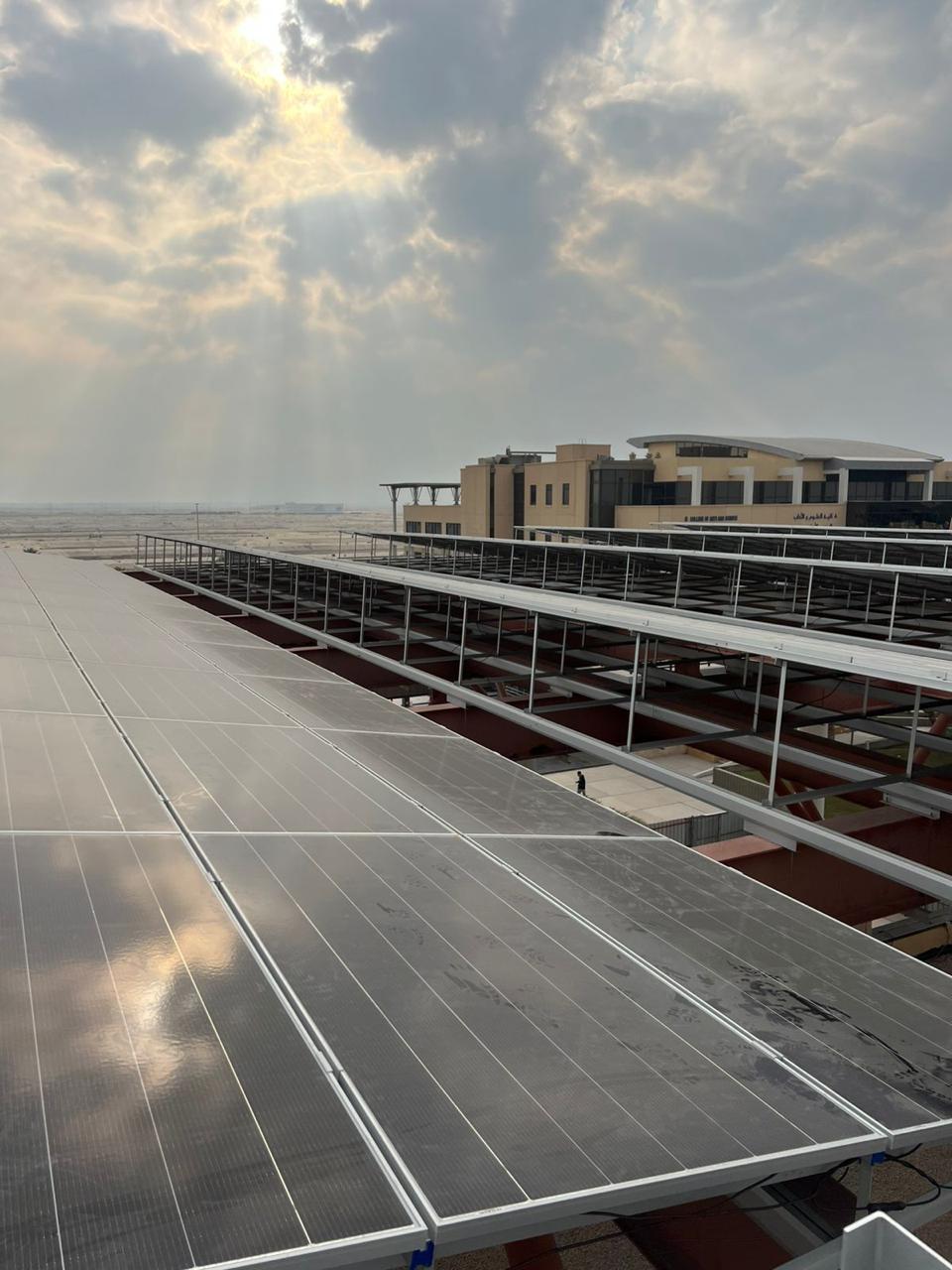
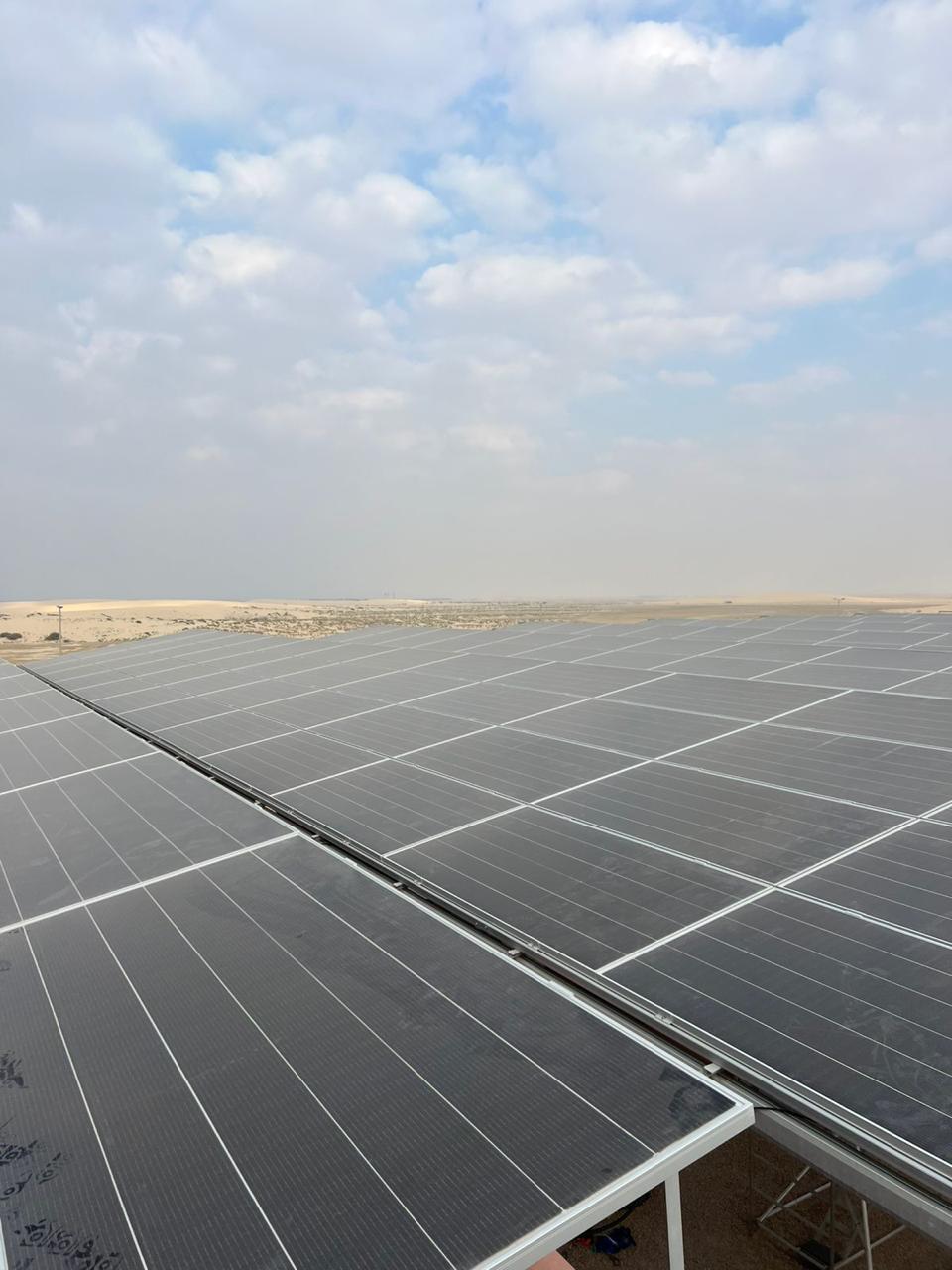
University campuses represent an underappreciated opportunity for solar deployment: large, often flat expanses of parking and pedestrian infrastructure that can host elevated solar canopy structures without competing for valuable building rooftop space. ZOMCO x FREE energy delivered a grid-tied solar PV system for Prince Mohammad Bin Fahd University (PMU) in Al Khobar, taking exactly this dual-purpose approach, with installed capacity of 968 kWp.
The system was engineered as an elevated canopy structure positioned above a university parking and pedestrian area, combining renewable energy generation with much needed shaded outdoor space for students, faculty, and visitors navigating the campus in Saudi Arabia’s hot climate. This canopy style approach to solar deployment is particularly well suited to educational institutions, where daytime occupancy and energy demand align closely with peak solar generation hours, and where the shading benefit adds tangible day-to-day value beyond the electricity savings themselves. The design excludes battery storage, integrating fully into the university’s electrical infrastructure and prioritizing direct del very of clean energy to campus facilities.
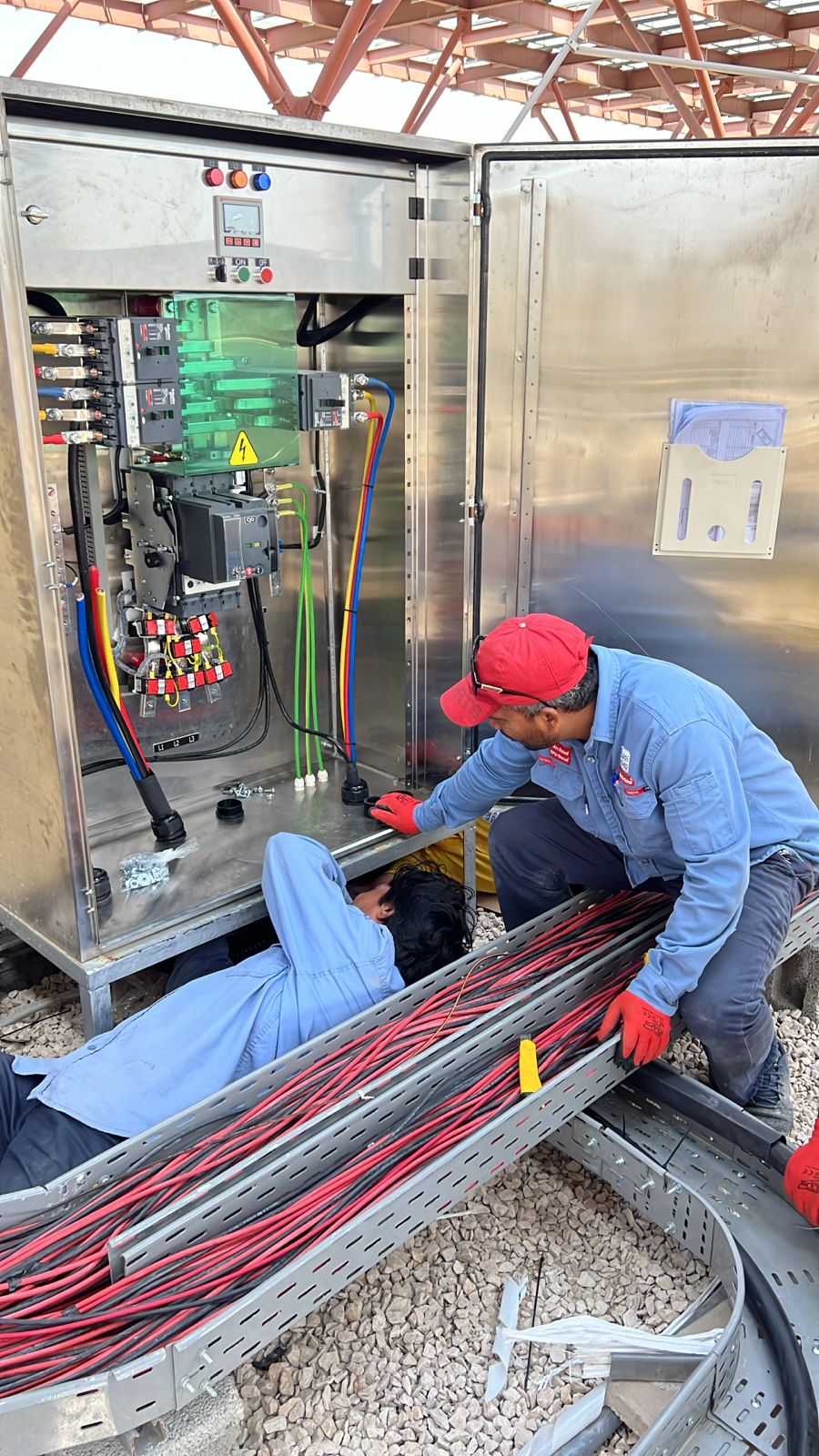
The engineering scope covered the full design, supervision, and commissioning of the grid-tied system, ensuring the canopy structure met both the structural engineering requirements of a large-span solar carport and the electrical interconnection standards required for grid-tied generation. Reported annual output ranges from approximately 588,839 kWh (231 tonnes of CO2 avoided per year) to approximately 1.74 GWh (850 tonnes of CO2 avoided per year, alongside more than SAR 2.0 million in annual savings) depending on the source, either way strengthening the university’s operational resilience through energy source diversification and providing predictable long-term energy cost management.
The project reflects the team’s growing presence in Saudi Arabia’s education sector, where solar canopy solutions increasingly deliver dual value, reducing institutional electricity costs while enhancing campus infrastructure and student experience, a model other Saudi universities are actively exploring as part of their own sustainability strategies.