
ENERGY AUDITS

Anantara.png

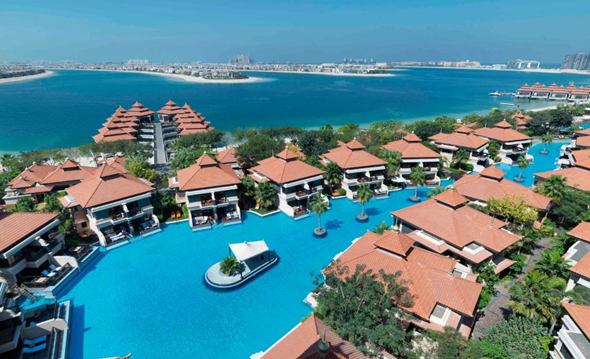
Situated on the eastern crescent of Palm Jumeirah in Dubai, Anantara The Palm Dubai Resort is a large-scale resort comprising over-water villas, lagoon-access guest rooms, multiple restaurants, leisure amenities, and extensive landscaped areas. Its diverse operations and high service requirements result in significant energy consumption across a wide range of systems, including cooling, lighting, and water management.

In August 2024, FREE energy was engaged to conduct a detailed energy audit for the resort, to identify opportunities to enhance efficiency, reduce operational costs, and strengthen sustainability performance. The scope extended beyond conventional energy assessments to include specialized studies, such as evaluating the feasibility of installing heat pumps to serve the resort’s lagoons, conducting a comprehensive review of the cooling system for optimization opportunities, and performing thermal imaging to identify inefficiencies in the building envelope and equipment.

The audit covered all major systems, including HVAC, lighting, electrical infrastructure, and water heating, as well as indoor air quality and carbon footprint considerations. Key recommendations included optimizing chiller plant operations, upgrading control strategies for air-handling units and fan coil units, replacing inefficient lighting fixtures, and implementing advanced building management and energy monitoring systems. The proposed measures aim to deliver meaningful energy savings while preserving guest comfort and the resort’s high service standards.

By combining targeted technical upgrades with in-depth system studies, PME Energy (a joint venture between FREE Energy and PME)  provided Anantara the Palm with a clear roadmap to achieving long-term energy efficiency gains, supporting both environmental responsibility and operational excellence in one of Dubai’s most prestigious hospitality landmarks.

ADIB-1280x852.png

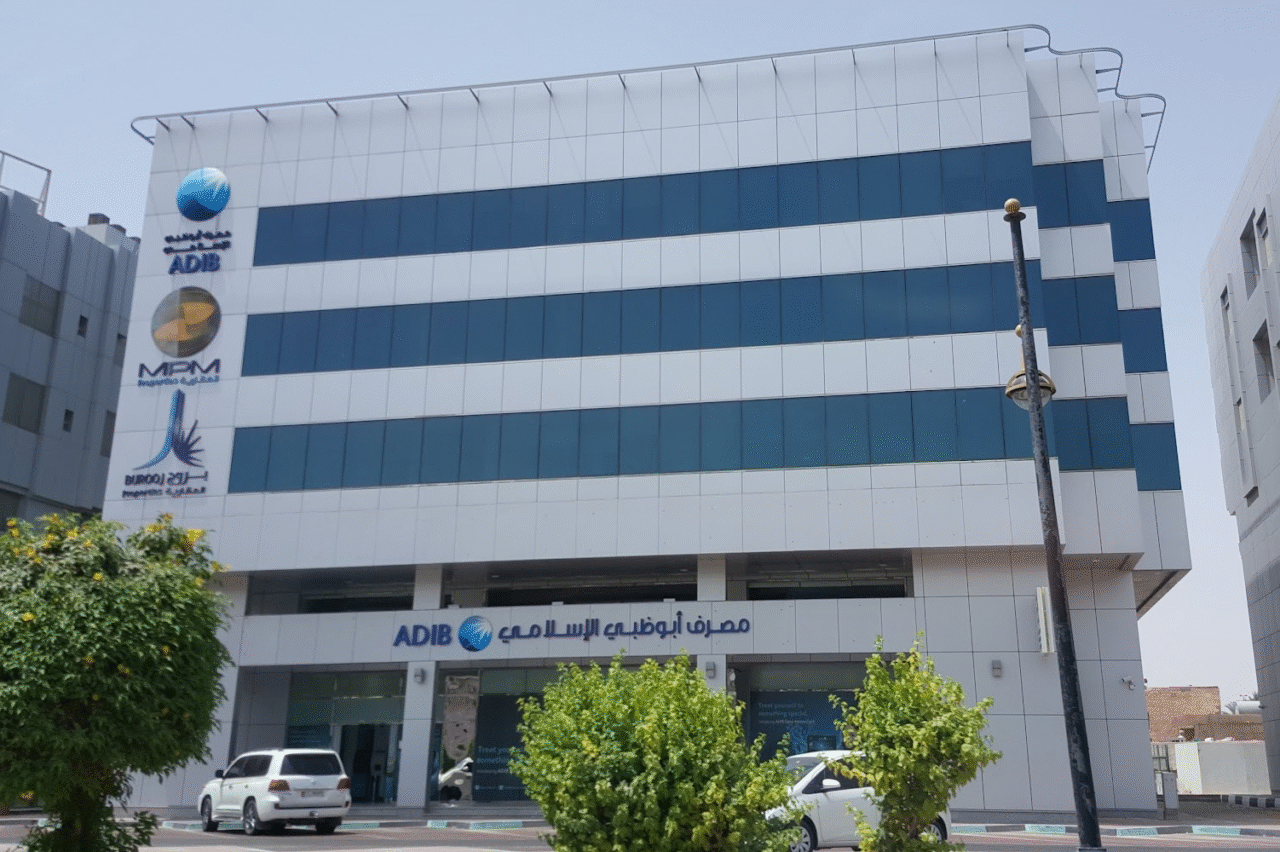
Having been entrusted with the energy audit contract for the Abu Dhabi Islamic Bank – Oud Al Tobba branch in Al Ain, UAE, PME Energy  (a joint venture between FREE Energy and PME) was engaged to conduct a comprehensive Level II audit and deliver specialized training to employees on energy efficiency best practices.

Following an initial assessment of over 80 ADIB branches, our team identified the Oud Al Touba branch as a priority site for implementing sustainability measures. The audit scope extended beyond standard assessments, incorporating carbon footprint analysis and indoor air quality mapping to address both environmental impact and occupant wellbeing.

Our in-depth evaluation identified multiple improvement opportunities, including a lighting control and replacement solution, chiller network optimization, fan coil unit replacement, thermostat optimization, and the integration of advanced energy monitoring and building management systems. Additional recommendations covered pump replacements, solar solutions, and a full indoor air quality roadmap.

These measures were designed to deliver significant energy savings, reduce operational costs, and enhance the sustainability of the building. The engagement proved highly successful, leading to a dedicated Facility Management Energy Efficiency Training program delivered to ADIB’s staff. Building on this collaboration, PME Energy has since expanded its work with ADIB and is currently auditing the JAFZA and Bani Yas branches.


Awarded under a two-year Long-Term Agreement (LTA), FREE energy was commissioned by the United Nations Development Programme (UNDP) to conduct Level 1 & 2 energy audits for a diverse range of facilities across Lebanon. This nationwide initiative, launched in March 2025, aims to systematically identify opportunities for enhancing energy efficiency, upgrading electrical infrastructure, and supporting the integration of solar solutions wherever feasible.

The audits cover facilities of varying types, including schools, hospitals, technical institutes, and military buildings, many of which face long-standing challenges such as outdated infrastructure, high energy consumption, and reliability issues. For example, at the Lebanese University Hadath campus, assessments highlighted critical issues across HVAC systems, lighting installations, electrical panels, water pumping equipment, and building envelope integrity. These inefficiencies not only raise operational costs but also affect occupant comfort and safety.

Through this engagement, FREE energy’s team has identified targeted Energy Conservation Measures (ECMs). In Hadath, recommendations included the replacement of outdated fluorescent and halogen lighting with LED technology, installation of occupancy and daylight sensors, and optimization of chiller operation and fan coil unit control to cut cooling loads. On the electrical side, upgrading distribution panels and improving transformer efficiency were also highlighted as priorities. In addition, solar PV solutions were proposed for rooftop spaces, both to reduce reliance on diesel generation and to stabilize energy supply for the most critical loads.

As part of this nationwide program, FREE Energy delivers detailed technical reports, photographic documentation, and tailored ECM proposals for each audited site. These outputs equip UNDP with a clear understanding of existing inefficiencies and the most effective pathways to achieve energy savings, sustainability, and improved resilience across Lebanon’s facilities.