United Arab Emirates

Toll-Gate-Dubai.jpg

Project: Toll Gate Network Solar Feasibility Study
Service: Consulting
Location: Dubai, UAE (eight toll gate sites)
Client: TransCore, via Aqleh Engineering
Partner: PME energy (JV between specialty contractor Protect Middle East and FREE energy)
Status: Completed, certified 12 November 2025 

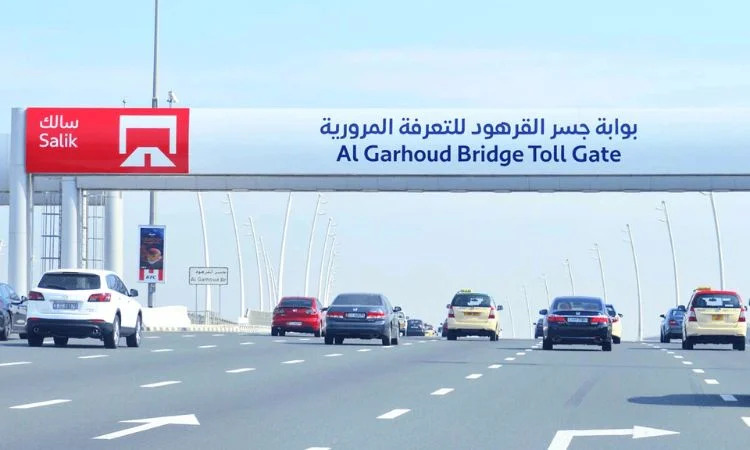
Critical transportation infrastructure like toll gate systems operates around the clock, making it an increasingly attractive candidate for on-site solar generation, but only once a rigorous feasibility study confirms the technical and financial case at each specific site. PME energy, the joint venture between specialty contractor Protect Middle East and FREE energy, was subcontracted by Aqleh Engineering to conduct exactly this kind of comprehensive solar feasibility assessment for toll gates in Dubai, on behalf of TransCore. 

The study covered eight toll gate locations across Dubai’s road network, Al Barsha, Al Maktoum Bridge, Airport Tunnel, Jebel Ali, Al Garhoud Bridge, Umm Suqeim, Al Mamzar North, and Al Mamzar South, following a structured, multi-stage methodology encompassing site assessments and data collection, data analysis and validation, 3D modeling of site layouts and solar potential, system sizing and layout development, performance simulations and yield estimation, and full technical and financial feasibility studies for each location. 

TransCore Maintenance Manager Ammar AlRawi confirmed the value and rigor of the assessment, stating that it “provided clear, actionable insights to assess solar solutions and support informed decision-making,” and specifically praising the team’s technical expertise and communication throughout what he described as a thorough, structured process with quality control and review built into every stage. The completed study was formally certified on 12 November 2025. 

This project positions FREE energy at the intersection of solar feasibility consulting and transportation infrastructure, a specialized niche with significant growth potential as toll operators, road authorities, and transportation agencies across the UAE and wider Gulf region increasingly evaluate solar integration for tunnels, bridges, and roadway assets. The completed feasibility study now supports TransCore and Dubai’s Salik network in making informed, data-driven decisions about future solar implementation at some of the city’s busiest transportation chokepoints. 

Grand-Cosmopolitan-Dubai.jpg

Project: Grand Cosmopolitan Hotel ASHRAE Level II Energy Audit
Service: Consulting
Location: Al Barsha, Dubai, UAE
Client: Grand Cosmopolitan Hotel
Status: Completed 

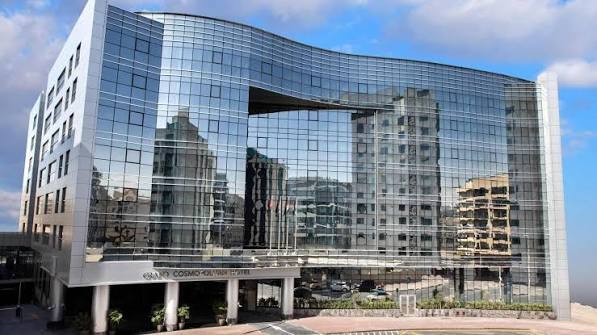
Dubai’s hospitality sector operates under some of the highest guest-service expectations in the world, which makes energy efficiency retrofits a particularly delicate balancing act, since savings need to be real without ever coming at the expense of the guest experience. FREE energy conducted a complete ASHRAE Level II energy audit for the Grand Cosmopolitan Hotel in Al Barsha, Dubai, examining energy saving opportunities across lighting, the building management system, HVAC, and electrical infrastructure. 

The engagement was delivered alongside a companion energy audit for the neighboring Cosmopolitan Hotel, allowing the team to identify shared infrastructure efficiencies and consistent retrofit recommendations across both properties under common ownership. The audit methodology followed ASHRAE Level II standards, combining a detailed engineering survey of primary building systems with financial modeling of the proposed energy conservation measures, giving hotel management a clear, prioritized roadmap for implementation. 

The audit identified a 9.18% projected energy reduction opportunity, translating into AED 200,658 in annual savings against a total recommended investment of AED 337,372, a payback period of just 1.68 years. The engagement was coordinated on the client side with hotel contact Daniel Hajjar, and the results gave the hotel’s ownership a clear, low-risk business case for implementing the recommended retrofit measures. 

This project reflects FREE energy’s continued and growing presence in the UAE hospitality sector, demonstrating the ability to deliver ASHRAE Level II energy audits that translate technical building assessments into clear, board-ready financial cases for hotel owners and operators across Dubai and the wider UAE market. 


Anantara.png

Project: Anantara The Palm Dubai Resort, Comprehensive Energy Audit
Service: Consulting
Location: Palm Jumeirah, Dubai, United Arab Emirates
Client: Anantara The Palm Dubai Resort
Status: Completed, August 2024 

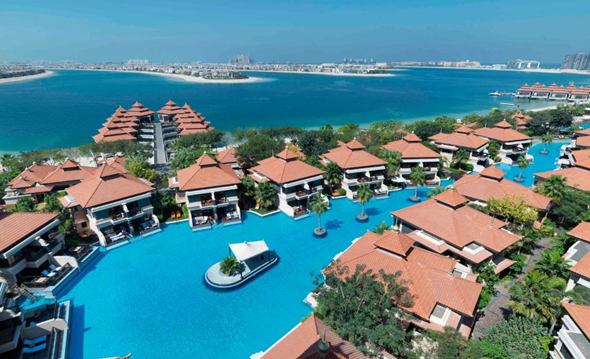
Five-star resorts operate some of the most complex, energy-intensive building systems in hospitality, spanning chillers, extensive lighting, water heating, and increasingly, specialized amenities like lagoon heating. In August 2024, PME energy (a joint venture between specialty contractor PME and FREE energy) conducted a comprehensive energy audit for Anantara The Palm Dubai Resort, situated on the eastern crescent of Palm Jumeirah and comprising over-water villas, lagoon-access guest rooms, multiple restaurants, leisure amenities, and extensive landscaped grounds. 

The audit covered the resort’s major building systems, including HVAC, lighting, electrical infrastructure, and water heating, alongside indoor air quality and carbon footprint assessments. The scope also extended into specialized studies uncommon in a typical hotel audit: evaluating the feasibility of installing heat pumps to serve the resort’s lagoons, a comprehensive review of the cooling system, and thermal imaging analysis to pinpoint hidden sources of energy loss across the property. 

Recommendations centered on optimizing chiller operations, upgrading controls for air-handling and fan coil units, replacing inefficient lighting, and implementing advanced building management systems, measures designed to deliver meaningful energy savings while preserving guest comfort and the resort’s high service standards. 

Completed in August 2024, the audit gave the resort a clear roadmap to long-term energy efficiency gains, addressing the significant energy consumption generated by its cooling, lighting, and water management systems without compromising the guest experience.


ADIB-1280x852.png

Project: Abu Dhabi Islamic Bank (ADIB), Portfolio Energy Strategy and Branch Energy Audits
Service: Consulting
Location: Abu Dhabi and Dubai, United Arab Emirates
Client: Abu Dhabi Islamic Bank (ADIB)
Status: Ongoing, multi-phase engagement, in progress as of July 2026  

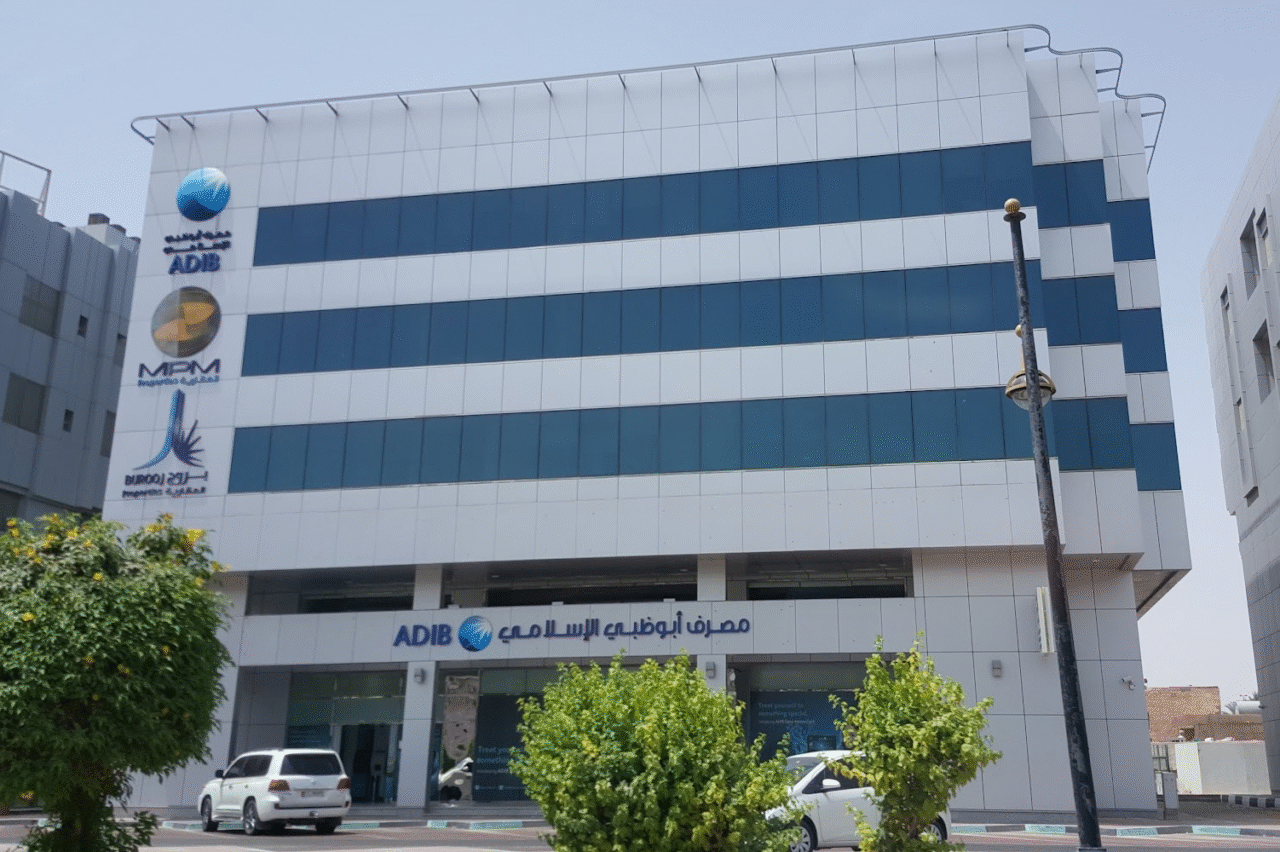
Managing energy performance across a banking portfolio takes more than a series of isolated audits. Branches, offices, headquarters buildings, data rooms, and self-service banking areas each carry different operating schedules, cooling requirements, and levels of operational importance. Abu Dhabi Islamic Bank engaged PME energy (a joint venture between specialty contractor PME and FREE energy) to build a structured, portfolio-level approach for identifying, prioritizing, and improving energy performance across its facilities in the UAE. 

The engagement opened with a strategic review of more than 80 ADIB branches, comparing each facility to establish where intervention would deliver the greatest value and moving ADIB from a broad portfolio overview to a prioritized implementation program. That prioritization pointed to three initial priority facilities for detailed Level II energy audits: the Oud Al Tobba and Bani Yas branches in Abu Dhabi, and the JAFZA branch in Dubai. Each audit combined utility and consumption analysis, energy baseline development, equipment inventories, load distribution assessments, electrical power logging, water analysis, indoor environmental measurements, thermal imaging, carbon footprint analysis, occupant wellbeing assessment, and energy-performance benchmarking, with every recommended measure backed by technical specifications, savings calculations, budgetary cost estimates, and environmental impact assessment. 

Recommendations addressed the specific conditions of each branch rather than applying a standardized checklist, spanning HVAC control optimization, chiller plant and fan coil unit upgrades, demand-controlled ventilation, variable-frequency drives, smart thermostats, lighting controls and replacements, advanced energy monitoring, water-heating and pump optimization, elevator efficiency measures, indoor air quality solutions, and solar integration. The initial engagement’s success led to a dedicated Facility Management Energy Efficiency Training program for ADIB staff, a program the bank’s own 2024 sustainability report confirms was launched that year for its facilities management teams. 

The program has since expanded to ADIB’s headquarters through a comprehensive Building Management System assessment, reviewing the performance, configuration, and control logic of the BMS across HVAC, electrical monitoring, lighting, critical areas, and leak detection, and identifying opportunities to improve chiller sequencing, chilled-water control, metering accuracy, sensor reliability, and occupancy-based control. Building on that review, a smart efficiency assessment is now underway at ADIB’s headquarters, examining how advanced controls, connected sensing, intelligent analytics, and continuous performance monitoring can further improve efficiency while maintaining the comfort, reliability, and security required of a major financial institution. 

As of July 2026, this multi-phase engagement continues, having progressed from portfolio strategy and prioritization through branch-level audits, staff training, BMS assessment, and now smart efficiency planning, giving ADIB a structured foundation for targeting investment toward its highest-priority facilities across the UAE.