Lebanon

Energy-Globe-Award-1.png

Launched in August 2025, the Renewable Energy and Energy Efficiency (REEE) Planning Services project was a collaboration between FREE energy, the Deutsche Gesellschaft für Internationale Zusammenarbeit (GIZ), and local municipalities in Lebanon. GIZ, a German development agency with global expertise in sustainable development, partnered with FREE energy to deliver community-level studies aimed at promoting energy efficiency, renewable energy integration, and long-term sustainability.

The project involved conducting detailed energy assessments and feasibility studies across multiple municipalities, with the dual objective of reducing energy costs and enhancing community services. A representative example is the study carried out in Hawsh ElHarimi, Western Beqaa. The village’s street lighting network was assessed, revealing that nearly 80% of fixtures were non-operational and the system consumed an estimated 128,816 kWh per year if fully functional.

FREE energy proposed replacing all conventional fixtures with standalone solar-powered LED streetlights. This Energy Conservation Measure (ECM) was designed to ensure reliable night-long illumination, cut operating costs by approximately $34,780 per year, and deliver annual savings of 128,816 kWh. Financial analysis showed a payback period of 7.2 years, confirming the solution’s viability.

In addition to solar-powered streetlighting, the project also covered other scopes such as the design of solar PV systems and hybrid renewable energy solutions for community service facilities. Beyond the technical and financial benefits, these interventions carry significant environmental and social value. By reducing reliance on grid electricity and diesel backup systems, the project lowers greenhouse gas emissions while providing safer roads, improved public spaces, and reduced maintenance burdens for municipalities.

Other municipalities included in the initiative were Chouf-Baakline, Saghbine, Temnine El Fawqa, Machghara, Brital, and Talya, each benefitting from tailored renewable energy and efficiency measures suited to their local context.
Energy-Globe-Award-3-1280x701.png

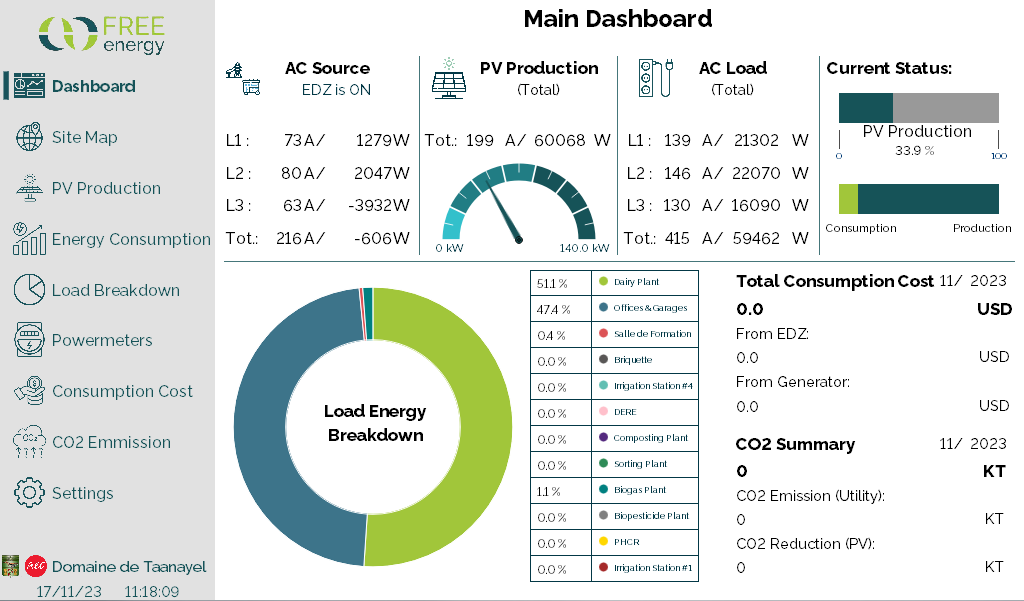
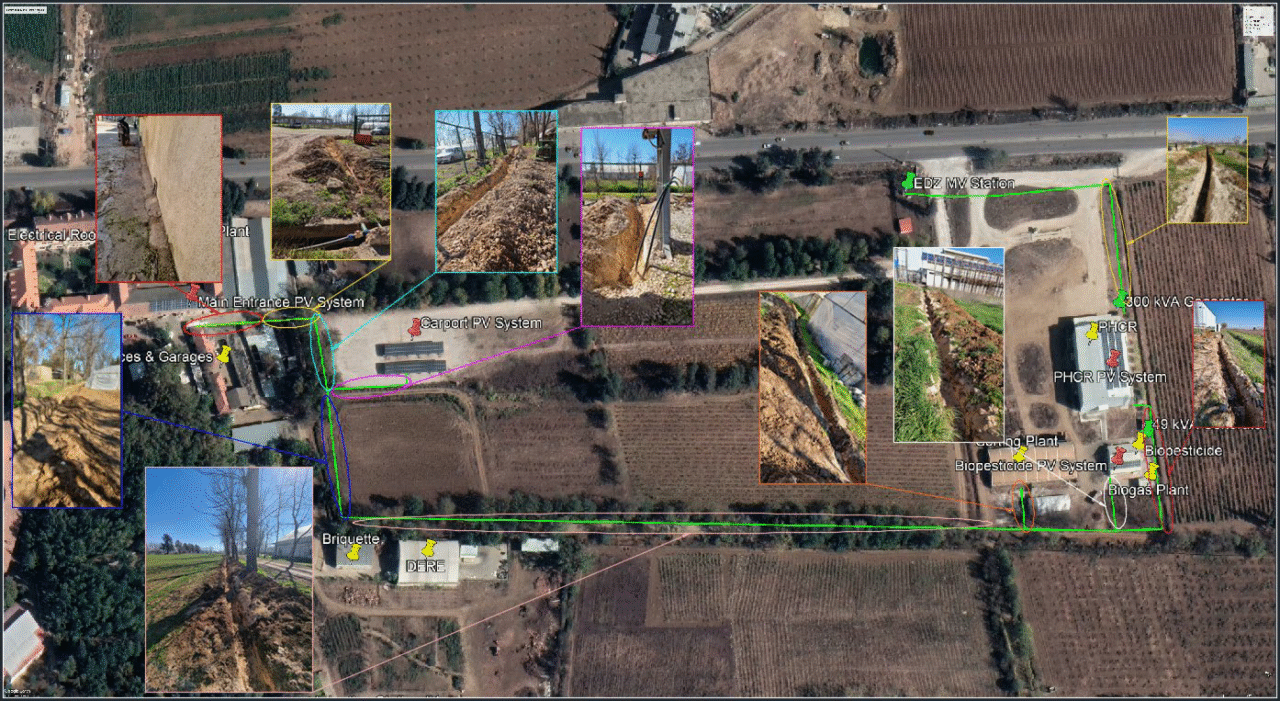
FREE energy was recognized with the prestigious Energy Globe Award (Lebanon) for its project Eco-Synergy Nexus at Domaine de Taanayel. This initiative demonstrates the transformative impact of sustainable energy management. Domaine de Taanayel, a historic agricultural and cultural site established in 1863, has faced long-standing challenges related to an unreliable power supply, high diesel consumption, and inefficient infrastructure.

Through this project, FREE energy introduced a comprehensive digital and hardware-based solution that consolidated solar systems, the national grid, and diesel generators into a unified, optimized energy mix. By leveraging real-time Levelized Cost of Energy (LCOE) calculations, the system allowed for continuous optimization of energy sources, reducing costs and emissions while ensuring operational reliability.

The project achieved annual energy savings of over 117,600 kWh, with cost savings of approximately $32,900 and a reduction of 1,241 tonnes of CO₂ emissions. Additionally, the customized energy monitoring system improved efficiency by 32%, utilizing load shifting and peak shaving strategies to reduce demand capacity and enhance resilience.

Beyond its technical achievements, the project secured uninterrupted energy for agricultural operations, safeguarding production, supporting local farmers, and strengthening the economic viability of the Domaine. Its replicable model has since become a benchmark for sustainable practices in Lebanon, inspiring further adoption of renewable energy solutions across different sectors.

Key Figures

  • Annual energy savings: 117,624.16 kWh
  • Annual cost savings: $32,934.77
  • Annual CO₂ reduction: 1,241.12 tonnes
  • Efficiency improvement: 32%

solar-banner.png

In partnership with the Institut Européen de Coopération et de Développement (IECD) and its local partner Semeurs d’Avenir (SDA), FREE energy developed a set of nine competency-based curricula designed to strengthen Lebanon’s vocational training system in energy efficiency and sustainable construction.

The curricula were carefully structured to combine theoretical knowledge with practical skills, following the competency-based approach that emphasizes applied learning and market relevance. Each program was designed to prepare technicians with the tools, methods, and safety awareness needed to meet labor market demands while supporting Lebanon’s transition toward greener practices.

The nine developed curricula cover a wide range of energy efficiency and construction-related fields. In English, the set includes:

  • Energy Audit Technician (70–100 hours)
  • Electric Motor Control Technician (up to 100 hours)
  • PV Maintenance Technician (100–150 hours)
  • Home Automation Technician (up to 200 hours)
  • Heating Efficiency (250–300 hours)
  • HVAC Efficiency (250–300 hours).

In Arabic, the curricula include:

  • Thermal Insulation (100 hours)
  • Openings & Sealings (200 hours)
  • Plastering & Cladding (200 hours).

By delivering these programs, the initiative equips vocational institutions with modern training materials, empowers young professionals with skills that are directly applicable to the job market, and contributes to building Lebanon’s future workforce in the green economy.


solar-banner.png

The TESSA Project Lebanon was launched to address the country’s deep energy and economic challenges by promoting sustainable energy solutions, creating green jobs, and building local capacity. Through a combination of energy audits, training, and project implementation, TESSA aims to reduce dependence on costly and polluting energy sources while fostering long-term social and economic resilience.

As part of this national framework, An-Nahar was selected as one of the pilot beneficiaries to showcase how Energy Performance Contracting (EPC) can be applied in practice. Under this model, FREE energy is implementing a mix of renewable energy and efficiency measures that includes the installation of a solar PV system, a lighting control system, thermostats, and water flow optimization valves. The scope also covers archiving room civil works, scanners and IT equipment for data management, curtain installations, as well as complete testing, commissioning, and training.
These measures will lower An-Nahar’s energy costs, reduce its environmental footprint, and demonstrate the business case for sustainability in Lebanon’s private sector.

The An-Nahar project is one among several being delivered through TESSA, highlighting how institutions across different sectors can benefit from sustainable solutions while contributing to Lebanon’s


MoT.jpg

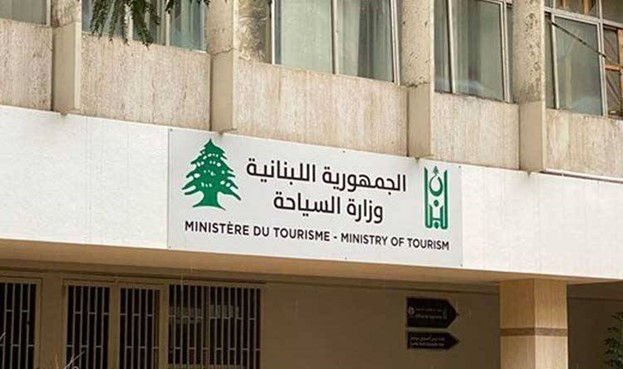
FREE energy carried out a comprehensive assessment of the Ministry of Tourism’s headquarters in Beirut, combining both an electrical infrastructure inspection and a Level II energy audit. The dual approach addressed urgent safety concerns while identifying opportunities for medium- and long-term efficiency improvements.

The infrastructure review spanned the entire system, from the 15 kV intake to low-voltage panels, and identified six major risks, including oversized breakers, overheated neutral bars, and obsolete energized panels. Priority 1 actions were recommended to eliminate fire hazards, such as de-energizing unused panels, replacing burnt breakers, and repairing neutral bars.

The energy audit showed a reliance on over 110 non-inverter AC units and widespread use of outdated fluorescent lighting. FREE energy proposed replacing ~1,200 fixtures with LED technology and upgrading AC units to inverter-based models. Corridors and parking areas were also found to be lit continuously without controls, with solutions proposed to optimize usage.

By combining urgent infrastructure repairs with efficiency-driven ECMs, the project provided the Ministry with both a roadmap for immediate safety upgrades and a pathway to long-term energy savings.


solar-banner.png

Awarded under a two-year Long-Term Agreement (LTA), FREE energy was commissioned by the United Nations Development Programme (UNDP) to conduct Level 1 & 2 energy audits for a diverse range of facilities across Lebanon. This nationwide initiative, launched in March 2025, aims to systematically identify opportunities for enhancing energy efficiency, upgrading electrical infrastructure, and supporting the integration of solar solutions wherever feasible.

The audits cover facilities of varying types, including schools, hospitals, technical institutes, and military buildings, many of which face long-standing challenges such as outdated infrastructure, high energy consumption, and reliability issues. For example, at the Lebanese University Hadath campus, assessments highlighted critical issues across HVAC systems, lighting installations, electrical panels, water pumping equipment, and building envelope integrity. These inefficiencies not only raise operational costs but also affect occupant comfort and safety.

Through this engagement, FREE energy’s team has identified targeted Energy Conservation Measures (ECMs). In Hadath, recommendations included the replacement of outdated fluorescent and halogen lighting with LED technology, installation of occupancy and daylight sensors, and optimization of chiller operation and fan coil unit control to cut cooling loads. On the electrical side, upgrading distribution panels and improving transformer efficiency were also highlighted as priorities. In addition, solar PV solutions were proposed for rooftop spaces, both to reduce reliance on diesel generation and to stabilize energy supply for the most critical loads.

As part of this nationwide program, FREE Energy delivers detailed technical reports, photographic documentation, and tailored ECM proposals for each audited site. These outputs equip UNDP with a clear understanding of existing inefficiencies and the most effective pathways to achieve energy savings, sustainability, and improved resilience across Lebanon’s facilities.