Solar


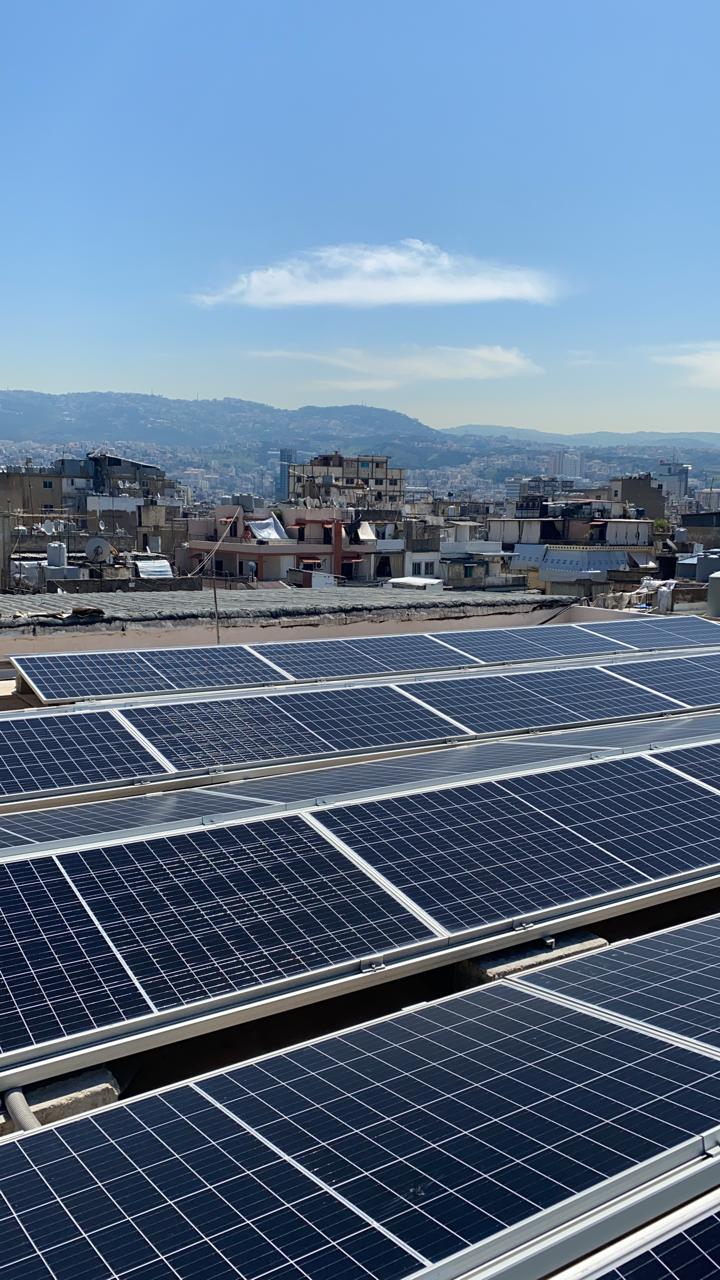
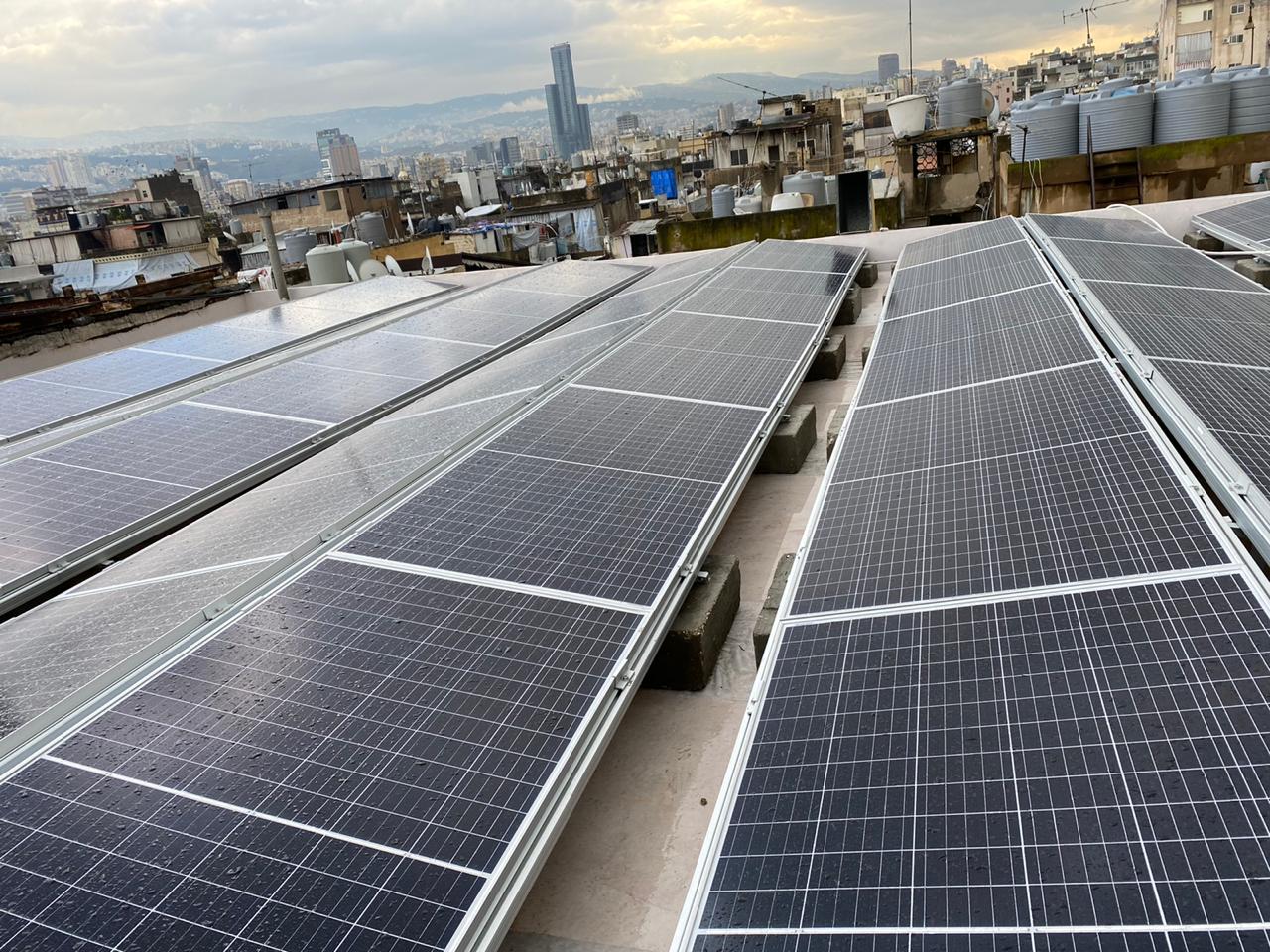
Aramco engaged FREE Energy, working in collaboration with its local partner Zamil O&M (ZOMCO), to renew solar photovoltaic systems powering multiple telecommunications sites across the Kingdom of Saudi Arabia. The project focused on replacing outdated solar technology to ensure continued alignment with Aramco’s renewable energy initiatives, while guaranteeing a reliable and sustainable power supply for critical communication infrastructure.

A total of eight on-site PV systems, with a combined installed capacity of 186.44 kWp, were refurbished to meet current technical standards. The works involved the installation of new modules and supporting components, ensuring optimal performance, extended system lifespan, and reduced maintenance needs. By modernizing these systems, the project secured continuous clean energy generation for telecommunications operations, reducing the risk of outages and minimizing dependence on conventional power sources.

This initiative supports Aramco’s broader sustainability goals by safeguarding renewable energy supply for remote sites, reinforcing operational resilience, and contributing to long-term environmental stewardship.

FREE energy acted as project manager for a landmark solar micro-grid initiative in Suriname, developed to deliver reliable renewable energy to remote villages with limited or no access to the national grid. Funded by the World Bank and executed for JGH, the project addresses one of the most pressing challenges in rural Suriname—providing consistent and sustainable electricity to isolated communities that have long relied on costly and polluting diesel generation.

The system deployed a total installed capacity of 1,741.27 kWp, supported by a battery storage system of 7,273 kWh to ensure an uninterrupted power supply, even during periods of low solar generation. Beyond the technical scope, this project represents a transformative social intervention, enabling households, schools, health centers, and small businesses in these villages to operate with a reliable source of clean energy.

By reducing dependence on diesel fuel, the initiative lowers operational costs, cuts greenhouse gas emissions, and creates a healthier environment for residents. More importantly, it empowers local communities by improving access to education, healthcare, and economic opportunities – fostering long-term social and economic development.

Key Figures

  • System type: Micro-grid with battery storage
  • Battery storage capacity: 7,273 kWh
  • Total installed capacity: 1,741.27 kWp

NESMA-PMV-1280x979.jpg

Located in the Kingdom of Saudi Arabia, the NESMA PMV facility undertook a major renewable energy initiative in partnership with FREE energy to reduce its dependence on diesel generators and cut operational energy costs. The project involved the design and installation of a large-scale on-grid photovoltaic system, fully integrated into the facility’s existing electrical infrastructure to provide a consistent and reliable supply of clean energy.

The system, with a total installed capacity of 1.65 MWp, was implemented without battery storage, focusing instead on maximizing direct generation to offset the facility’s electricity consumption during peak demand hours. This approach not only optimizes cost savings but also minimizes maintenance requirements.

In addition to the PV installation, complementary electrical works were carried out to ensure safe interconnection and compliance with applicable grid standards. The project directly supports NESMA PMV’s sustainability objectives while contributing to national renewable energy targets. By lowering fuel usage and greenhouse gas emissions, it also improves the facility’s environmental performance and operational efficiency.

Key Figures

  • System type: On-grid
  • Total installed capacity: 1,649.64 kWp
  • Yearly energy production: 2,682,508 kWh/year
  • CO₂ savings: ~7,258 tonnes/year

Battery storage: None


Prince Mohammad University (PMU), located in the Kingdom of Saudi Arabia, implemented a large-scale on-grid solar photovoltaic system as part of its sustainability objectives. FREE energy contributed to the project alongside its local partner, Zamil O&M (ZOMCO), providing technical expertise to help the university reduce reliance on diesel generators, lower energy costs, and decrease its carbon footprint in line with national renewable energy targets.

The installation, with a capacity of 968 kWp, was deployed across suitable rooftop areas and fully integrated into the university’s electrical network to ensure reliable and efficient performance. The system was designed without battery storage, focusing on delivering continuous clean energy directly to the campus load.

Beyond reducing fuel consumption and emissions, the project enhances PMU’s operational resilience by diversifying its energy sources and ensuring more predictable long-term energy costs.

Key Figures

  • System type: On-grid
  • Total installed capacity: 968 kWp
  • Yearly energy production: 588,839 kWh/year
  • CO₂ savings: ~231 tonnes/year
  • Battery storage: None